Signing as a co-signer on a bail bond seems like stepping into a dilemma. A good friend or family member is calling from prison, feelings are running high, and the bondsman requires an answer. In that moment, it is easy to ignore what co-signing actually implies: you are tackling a lawful and economic responsibility that can follow you for several years. With the right preparation, you can aid somebody you appreciate without compromising your financial health and wellness or peace of mind.
I have rested at kitchen area tables and bail office counters with concerned moms and dads, spouses, and pals who wanted to act rapidly. The ones who left undamaged had one point alike, they treated co-signing like any kind of other severe agreement. They asked concerns, established borders, and recorded expectations prior to cash altered hands. The adhering to assistance is improved that experience, and it aims to give you the exact same footing.
What co-signing a bail bond truly means
A bail bond is an assurance to the court. The bondsman pays the complete bond quantity if the accused stops working to show up, and you, the co-signer, assure the bail bondsman. That chain issues. You are not just vouching for the accused's character, you are financing the risk.
The bond costs, normally 10 percent of the bond amount in many states, is a fee paid to the bail business. It is not refundable, even if the situation is dismissed or the offender is acquitted. On top of the premium, the bond company might charge management charges, keeping track of costs, or travel charges if the offender misses out on court and needs to be recovered. Read the timetable of fees twice. If your digestive tract states you do not understand a cost, ask for a plain-language description prior to you sign.
Many bonds likewise need collateral for bigger bail amounts. Security can include real estate, lorries, fashion jewelry, or cash. If the defendant stops working to appear and is not gone back to court within a specified period, the collateral can be seized or liquidated. Co-signers commonly concentrate on the heading number, claim 50,000 in bail, but ignore the tail risk. A court loss order can turn that headline right into real collections in a hurry.
Finally, co-signers have take advantage of. The bond is a contract with problems. You can demand requirements, for instance, that the offender check in with you, follow a curfew, or attend treatment. You can also revoke the bond if you think the defendant will certainly miss court. Revoking is significant and painful, and it usually causes the offender being taken back into protection. Still, it is a tool you must recognize prior to you commit.
The stress stove: how to slow things down without losing time
Jail settings rarely make thoughtful choices very easy. Phones eliminated. Personnel is active. The accused may be worried. A bail bondsman might be encouraging you to move rapidly to safeguard release. You can keep the procedure moving while protecting yourself.
Ask for the standard situation details, the reserving number, the charges, the bond quantity, and the next court date. Validate these details independently with the jail or court's on-line site if offered. I have actually seen bail quantities misheard over a bad line or incorrect between co-defendants. A three-minute confirmation can prevent a thousand-dollar mistake.
Request the bond application and indemnity agreement by e-mail or text. A lot of trustworthy bond companies can send out papers electronically. Read them on your own gadget. Watch for open-ended charge language like expenses as needed or recuperation fees at market rates without a cap. If something is unclear, request the clause to be explained in writing.
Do not set up property as collateral without time to validate title, liens, and valuation. A property deed overloaded by a home equity line can complicate collateral terms. If the bail bondsman requires security to write the bond, ask whether a cash money down payment serves instead, even a partial down payment. Cash money is easier to loosen up when the case ends.
The small print that should have a red pen
Every bond company uses its own files, however the primary provisions often tend to repeat. Know where to look.
- Indemnity provision. This is the backbone. It specifies that you will reimburse the bond business for any type of losses, including the full bond if surrendered, expenses of healing, lawyer's costs, court costs, and passion. Clarify whether costs are covered, and whether the firm must give you discover before incurring large expenses. Notice and treatment. Some agreements need the bondsman to notify you if the offender misses a check-in or court day prior to expenses place. If it is not there, ask for it. A 24 to 48 hour notification provision can give you an opportunity to act, find the defendant, or arrange a surrender. Collateral release. The arrangement ought to state when security is returned, generally after the bond is exonerated by the court. Request for the business's timeline in writing. Ten organization days after exoneration prevails. Demand that the bond firm provide you with the exoneration paperwork promptly. Surrender civil liberties. Understand when the bondsman can surrender the accused and under what conditions you, as the co-signer, can request abandonment. I have needed to encourage co-signers that feared the defendant would run away before trial. A good understanding, in creating, minimizes dispute later. Payment terms and default. If you are paying the premium in installations, note due days, late fees, and whether a missed out on payment enables the bondsman to give up the defendant. Some business make use of repayment defaults as grounds to draw a bond also if the offender is totally compliant.
Money technicians: premium, collateral, and repayment flow
Most bond premiums vary from 8 to 15 percent relying on the state and the case. Some states securely regulate costs rates, while others enable more flexibility. The costs is made when the bond is posted. If the instance resolves in a week, the premium is not alloted. Anticipate dealing with fees, paper charges, and possibly GPS or check-in fees if the bond includes problems. Ask for a consolidated invoice.
Collateral needs to match the danger. For bonds under 25,000, lots of firms rely upon strong co-signers without security. For bonds over 50,000, anticipate collateral discussions. An automobile title listed as security needs to be free of liens. If the automobile deserves 12,000 on a wholesale basis, the firm may hold the title. With real estate, the bondsman may tape a lien. Get a copy of any kind of lien release when the bond is exonerated, and verify that it is actually recorded with the county.
When paying, utilize traceable techniques. A debit card, cashier's check, or financial institution transfer leaves a clear paper trail. Request a receipt that states whether funds are costs, security, or fees. Mixing categories is just how disputes start. If you are paying on a strategy, schedule the days. Numerous small bail workplaces still run lean, and payment mistakes occur. Your very own documents are the best backstop.
Your take advantage of as a co-signer: use it early, not late
Co-signers frequently ignore just how much impact they have over an accused's compliance. A sober conversation before launch can protect against later on dispute. Talk plainly about assumptions, transportation to court, and any kind of danger aspects like material use that can thwart attendance.
Transportation is an underrated problem. A missed out on bus or broken-down cars and truck can end up being a bench warrant. Map the courthouse area, auto parking, and safety lines. For morning schedules, plan for heavy traffic delays. I recognize a dad that drove his kid to every court date, after that handed the keys to a next-door neighbor when work contrasted. That easy habit saved the bond twice when hearing times changed at the last minute.
For defendants with instability, job changes, or without treatment addiction, consider added structure. Some co-signers require everyday check-in messages. Others link financial assistance to compliance, for instance, rent assistance or gas cash only after each court look. If the offender bristles at these borders, reassess your role. Your threat and your rules are linked.
Failure to appear: what actually happens
If the offender misses out on court, the courtroom clerk problems a bench warrant. The court will typically set a day, frequently 30 to 90 days out, for a bond forfeiture hearing. During that home window, the bondsman and co-signer can try to obtain the accused back right into court. In lots of jurisdictions, if the accused abandonments or is detained within the grace period and the court is satisfied with the description, the court will certainly vacate or allot the loss. That moratorium is your lifeline.
This is the minute when calm, collaborated activity issues. Call the bondsman quickly and request certain steps to heal the default. Occasionally the repair is as simple as showing up the next morning and paying a tiny court cost. Various other times, particularly if several dates were missed out on, the court will be stricter. If there is an authentic emergency situation, medical facility documents or other paperwork can help.
If the accused can not be located, the bondsman might work with a healing agent. Those costs will be credited the co-signer. The longer the search, the greater the costs. I have actually seen recuperation charges vary from a couple of hundred dollars for a quick pickup to a number of thousand for interstate travel and monitoring. This is where early warning and truthful communication repay. If the defendant is evading calls and making obscure assurances, press for action before that grace period expires.
When withdrawing the bond is the accountable choice
No one intends to be the person that sent out a liked one back to prison. Yet there are times when abrogation shields everybody. If the offender is talking about leaving the state, skipping court, or engaging in brand-new criminal offenses, the co-signer can ask for an abandonment. The majority of bondsmen require you to authorize an abandonment demand. Some bill a cost. The bail bondsman or police will organize the surrender at a prison or courthouse.
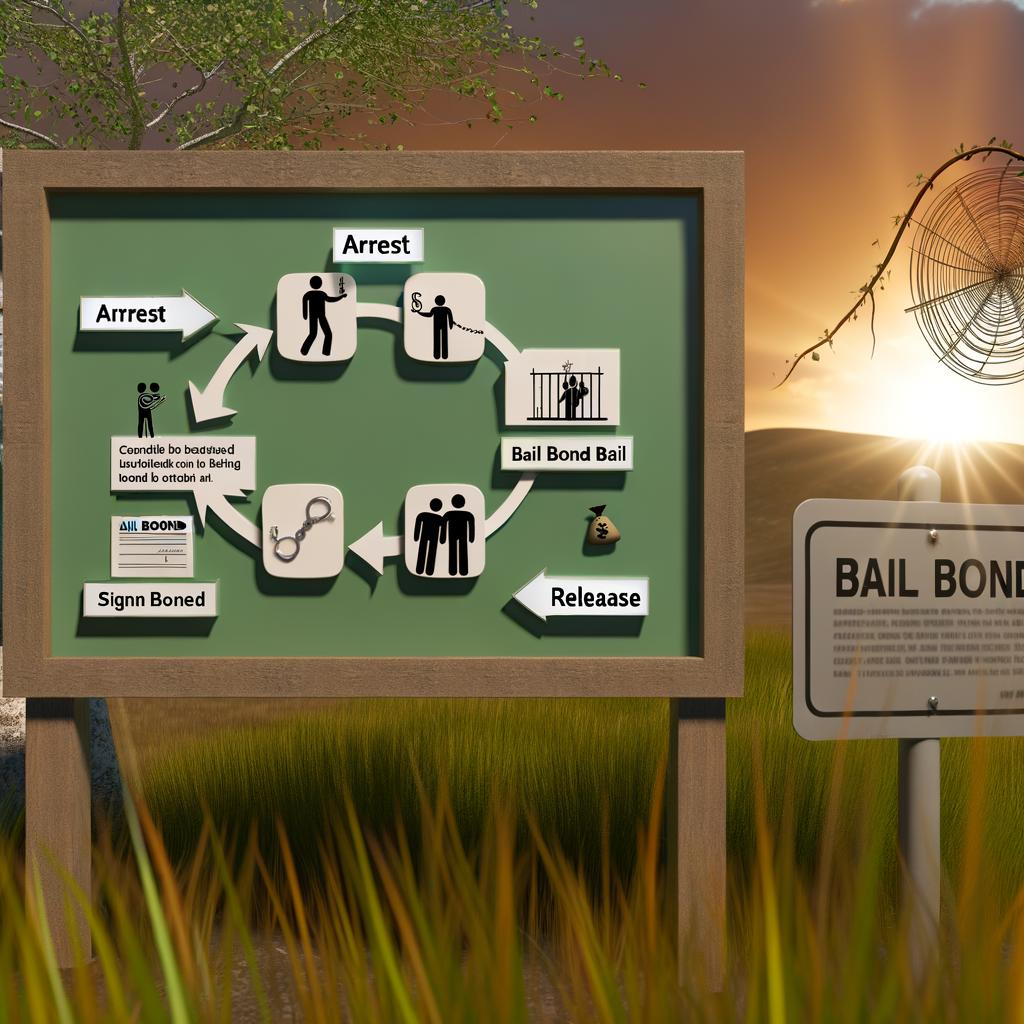
It is painful, however consider the option. If the accused absconds and the court surrenders the bond, you can encounter a judgment for the sum total plus prices. I as soon as dealt with an aunt that co-signed for her nephew on a 30,000 bond. When he relapsed and stopped checking in, she requested abandonment rapidly. He spent 2 weeks captive, detoxed, and at some point fixed his instance with probation. She kept her home, and he maintained a support group that held the line when it mattered.
Protecting your debt and assets
Co-signing touches more than your checking account. It can influence your credit, your home, and also your income if a judgment is entered.

- Credit effect. The bond business usually does not report to credit report bureaus for the costs itself. Nevertheless, if the bond is waived and the company files a claim against, any type of resulting judgment can appear on your debt record and cause wage garnishment or liens. Property risk. If you promised security, confirm exactly how the lien is videotaped. Take photos of titles prior to handing them over. Maintain duplicates of any kind of collateral receipts and release types. After exoneration, follow up until you receive a recorded lien release, not just a letter. Insurance and taxes. Seizure of collateral can have tax effects. If a property is marketed to please a financial debt, you might face funding gains or various other tax obligation concerns. Talk with a tax obligation specialist if a big property goes to risk. Communication with the bail bondsman. Excellent bail bondsmans want compliant situations and reduced drama. Keep them educated of address adjustments for both you and the defendant, phone number updates, and any kind of traveling. If you will be inaccessible because of function or a trip, tell them who your back-up call is.
Choosing the appropriate bail bonds company
Not all bail bond firms run the exact same. Price matters, yet dependability matters more. In a situation, you want a receptive workplace with clear policies.
Check licensing. A lot of states require bond agents to be certified. Confirming a license is normally as basic as inspecting the state's insurance policy or public safety internet site. Ask for how long the business has actually been operating, whether they manage your county consistently, and if they have personnel readily available 24/7.
Listen for exactly how they discuss risk. An excellent agent will certainly ask about the offender's ties to the area, work, prior failures to appear, and substance use. If the discussion feels like a hard sell with little rate of interest in your threat, take that as a signal to step back.
Ask regarding supervision. Some bonds include check-ins, medicine screening, or GPS. These add expense yet can make sense for higher-risk defendants. Know who pays for surveillance and what takes place if the device falls short or a settlement is missed. There must be a process for technical glitches that does not trigger immediate surrender.
Get whatever in creating. Assures transformed the phone are promptly failed to remember. If the agent states collateral will be limited to a particular amount, or that a settlement extension is approved, ask for a composed confirmation. Email or text jobs. If the workplace resists, pick another provider.
Building an arrangement with the defendant
The hardest component of co-signing is the human part. You can safeguard yourself with a short written agreement with the defendant. Maintain it plain, one web page suffices. Define what you are accepting pay, what you expect in return, and what will certainly cause abandonment. Include demands like:
- Attending every court date, no excuses without documentation. Weekly check-ins with you by phone or message, specific day and time. No travel outside the area without your authorization and the bondsman's consent. Immediate notice to you and the bail bondsman if spoken to by law enforcement. Participation in therapy, counseling, or employment search if relevant to stability.
This is not a legal agreement you can enforce in court for performance. It is a boundary-setting device that provides you something to point to when feelings run high. I have viewed stretched partnerships stabilize when expectations were written, not suggested. People do better when the policies are clear.
Courts, schedules, and functional logistics
Small logistical errors trigger huge legal problems. Courts do not change schedules for traffic, phone issues, or an incorrect area number. The individual who gets it right does not leave it to chance.
Have the defendant take a photo of the court day notification and send it to you. Create schedule pointers for both of you. Keep in mind the division or court room number. Some courts relocate hearings in between divisions on the very same early morning. Get here early enough to examine the docket board.
Dress and temperament count. Juries notification. A simple collared shirt and clean footwear narrate. So does appearing with a pile of documentation. If the offender needs evidence of employment, treatment, or college participation, collect it the night prior to. A respectful technique can suggest the distinction in between a stern caution and remand when a minor error occurs.
If the defendant has childcare requirements, align back-ups. Courts seldom excuse a missed hearing because a sitter canceled. If public transportation is included, do a dry run previously in the week. This appears basic because it is, and it avoids disasters.
When the instance finishes: exoneration and covering up
The bond is linked to the instance, not the decision. When the case is fixed, whether by termination, plea, or trial, the court will certainly pardon the bond. Ask the defense attorney or the offender to demand exoneration on the document. Some clerks procedure this immediately, however hold-ups happen.
Request a copy of the minute order or a staff's certification revealing exoneration. Send it to the bail business and request a written confirmation of costs paid completely, charges satisfied, and collateral release. If a lien was tape-recorded, expect a notarized release. For car titles, the business needs to accept the lien and return the title file. If you do not see activity within 2 weeks, comply with up pleasantly and persistently. Maintain your own declare at least three years, including all invoices and releases.
If the accused owes penalties or restitution, those are different from the bond. You are not responsible for them unless you consented to pay. Clarify with the offender that your role finishes with bond exoneration. Cozy support is various from an open wallet.
Red flags and how to respond
Some situations ask for a firm no. An accused with multiple prior failings to show up, energetic warrants in other areas, or a pattern of fleeing midway residences is a high-risk co-sign. So is somebody resistant to share instance details or that lessens the seriousness of the charges. If a bail bondsman provides to forgo documents or collateral for a risky case due to the fact that you appear great, beware. Rate is practical, however shortcuts change danger to you.
Occasionally, relative divided on whether to co-sign. One parent wishes to aid, the other worries about the home loan. Because conflict, do not permit your name to be made use of as a placeholder while the household debates. A bail business may accept one co-signer after that include others later on, but once you get on paper, you are liable. If you require family agreement, say so and pause.
A practical, brief list you can really use
- Verify the case: reserving number, fees, bond amount, and next court day with the jail or court. Get the files: bond application, indemnity agreement, charge routine, and security terms in writing. Set limits: a written contract with the offender covering court attendance, check-ins, travel, and consequences. Choose very carefully: certified bail bondsman, clear explanations, recorded pledges, and understandable fees. Track the endgame: after bond exoneration, acquire and file lien releases, title returns, and settlement confirmations.
Special instances: immigration holds, out-of-county arrests, and probation violations
Not all bonds are the same. Immigration detainers complicate launch because ICE can take guardianship even after neighborhood bail is posted. If you believe an immigration hold, ask the prison straight or consult a migration attorney before uploading. Paying a costs just to see the person moved to government safekeeping shocks lots of families and drains funds that could be made use of for lawful representation.
Out-of-county apprehensions indicate the defendant might need to be transferred to the charging county, which can take days. Some bondsmen will not write bonds on out-of-county cases, and those that do might charge higher charges due to the added work. Factor in time and price prior to committing.
Probation or parole offenses frequently include no-bail holds or optional bond set at a hearing. If the brand-new arrest activates an infraction, co-signing a bond on the brand-new instance may not result in release. Verify whether the managing police officer or court will allow release.
When to speak with an attorney prior to co-signing
A fast call with a defense attorney can clear up risk. If the charges include mandatory minimums or enhancements, the defendant's incentive to run away may be greater. If the case is most likely to solve quick, state within 2 weeks with an appeal to an offense, the risk window is smaller sized. Attorneys can not predict the future, but they can lay out potential paths.
If the bond is huge, say above 100,000, independent suggestions is smart. An attorney can review the indemnity agreement and suggest edits, such as notification demands or caps on particular charges. Bail companies sometimes approve reasonable edits for certified co-signers, specifically when collateral is entailed. It never ever injures to ask.
The human side: stabilizing help with self-preservation
It is common to seem like you are deserting someone by stating no. Yet claiming yes without safeguards can harm the partnership differently. Animosity expands when monetary anxiety hits or when the defendant has a hard time to comply. The most effective co-signers are candid and consistent. They turn up for trips and tips, yet they do not enable. They make hard decisions when risk spikes, and they connect those choices in advance.
I keep in mind a granny https://blogfreely.net/maldorlgbl/understanding-bail-bond-costs-and-reimbursements that co-signed for her grandson on a moderate bond, 7,500, tied to a nonviolent infraction. She wrote her expectations on a notecard and taped it to the refrigerator. Miss a court date, and I pull the bond. Usage medicines in this house, and I call your probation policeman. He rolled his eyes, after that followed the plan. The card stayed up till the bond was exonerated, a little routine that kept every person honest.
Final ideas that value your stakes
Co-signing a bail bond is a business decision wrapped in individual ties. Treat it as both. Confirm realities. Read every provision. Establish conditions you can implement. Walk away if the risk surpasses your capacity to absorb it. And if you move forward, dedicate to the tiny everyday actions that keep court days on course. Good results in bail are hardly ever remarkable. They look like quiet mornings at the court house, prompt payments, and records submitted on time.
Support does not suggest blind count on. Protection does not suggest desertion. Your task as a co-signer is to maintain those two ideas in equilibrium, to safeguard your future while offering somebody you respect a clear possibility to encounter their case. If you do that, you will have done more than enough.
ABBA Bail Bonds 900 Avila St STE 101 Los Angeles, CA 90012 (213) 296-0901 https://abbabailbonds.com